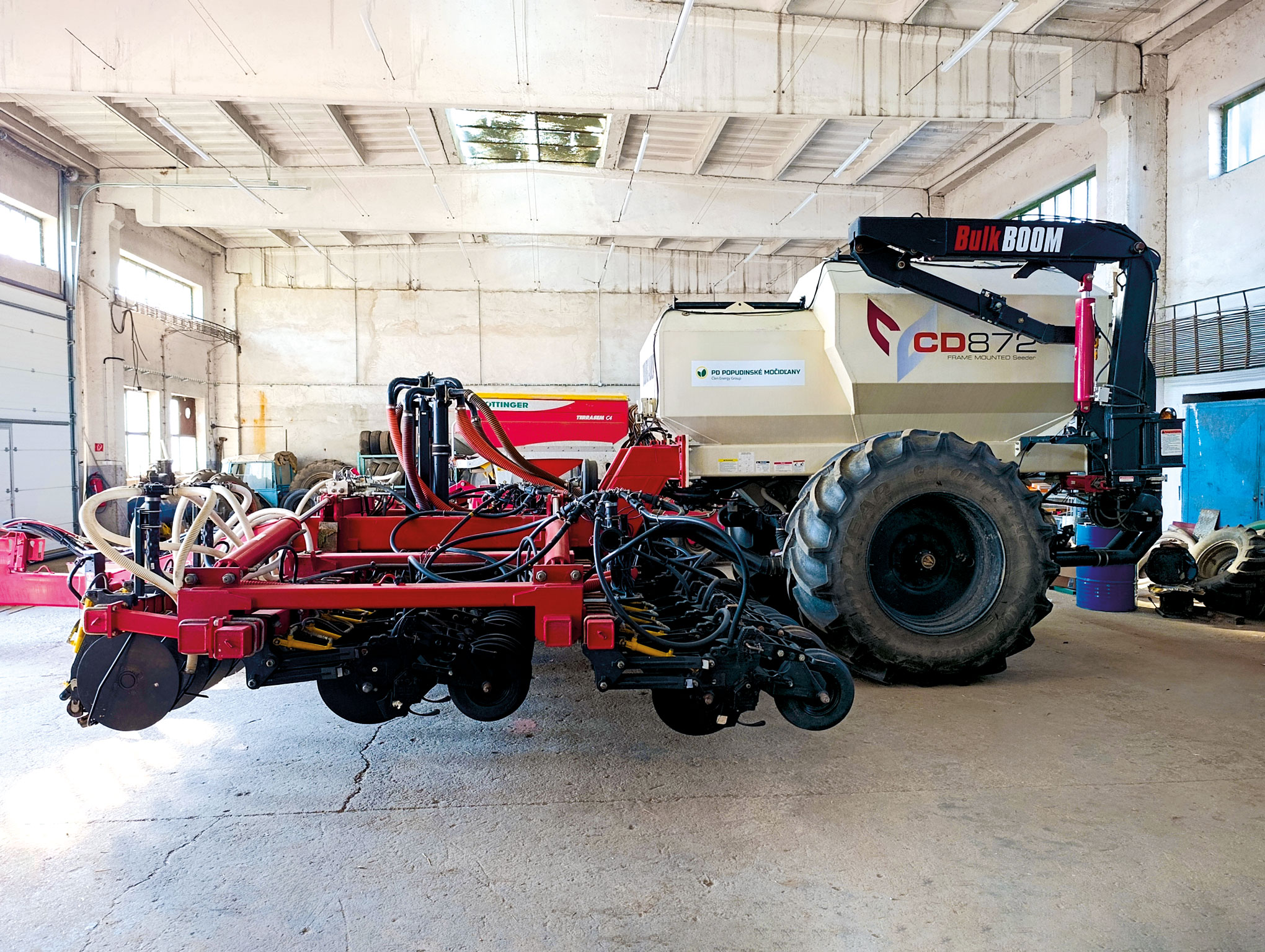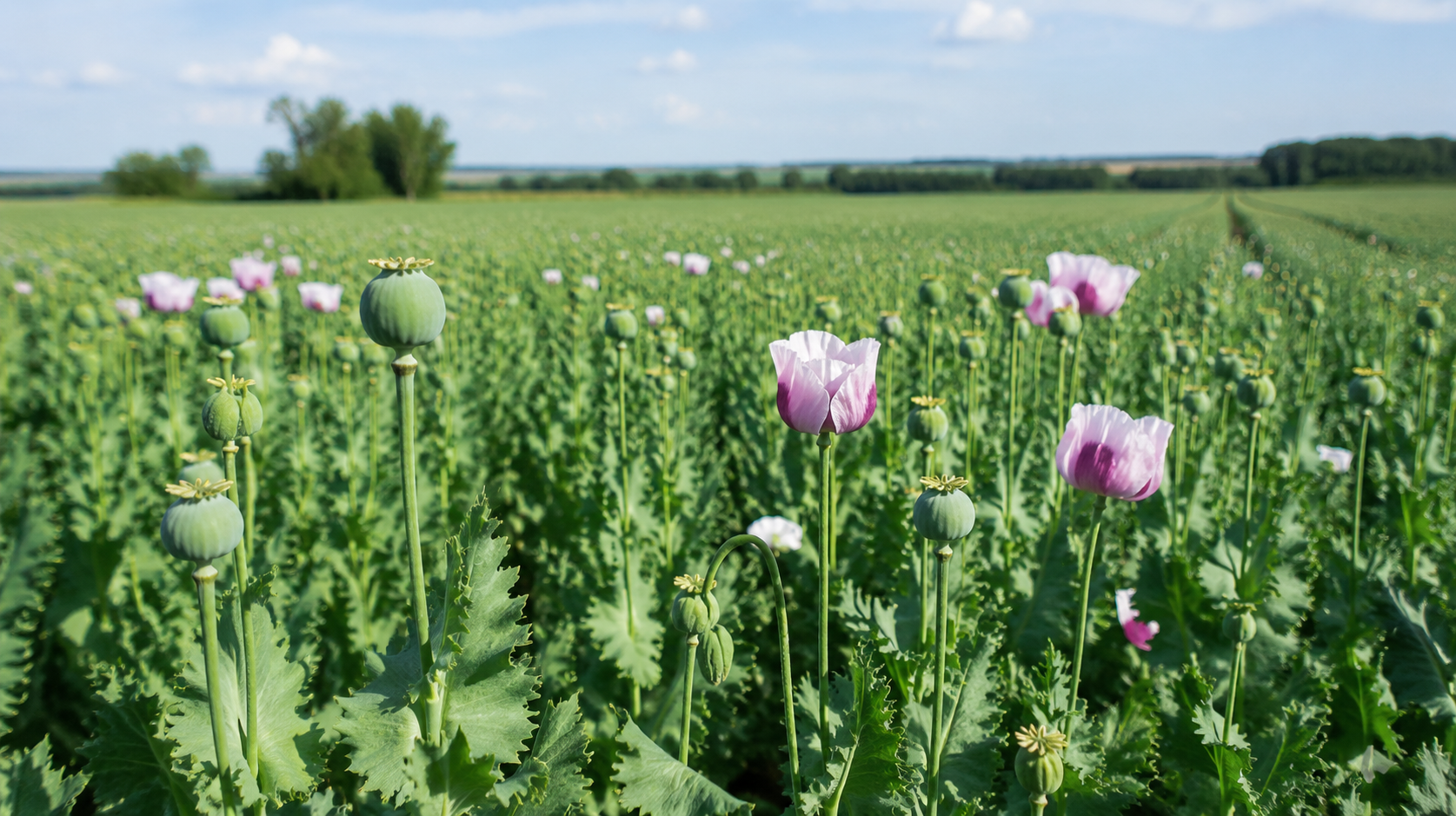
The cooperative made significant decisions regarding changes to its cropping plan as early as 2025, when new crops such as poppy seed and hybrid ryegrass were introduced. In 2026, PD Popudinské Močidľany is taking an even more substantial step in its production strategy, adding further new crops to the plan, including milk thistle and buckwheat.
These crops have replaced several traditional crops that had previously formed part of the sowing structure, such as winter wheat, oilseed rape and a portion of maize, the cultivation of which is becoming increasingly inefficient. Among the traditional crops that remain are sugar beet, durum wheat, sunflower, poppy seed, hybrid ryegrass and winter wheat grown for seed.
The search for new crops is necessary in view of the changing situation on the global agricultural commodities market. In addition to the ongoing import of cereals from Ukraine, caused by the military conflict in the region, a new trade agreement between the European Union and Mercosur — the countries of Latin America, one of the world’s major producers of agricultural commodities — is also coming into effect. This agreement was created to open up a new market for European industrial production and, at the same time, to reduce Europe’s dependence on China. However, it is certain to have a negative impact on European farmers.
Another important factor in the search for the most profitable crops is the rising level of direct production costs, including labour costs, fertiliser costs, and the costs of repairs and maintenance. At the same time, due to the military conflict in the Middle East, diesel prices are rising rapidly and problems with regular fuel supplies are beginning to emerge.
The year 2026 is likely to be one of the most difficult years for farmers. Nevertheless, we believe that the chosen direction and strategy will enable PD Popudinské Močidľany to remain in excellent condition, as it has done so far.